 Mind
Mind
- Digital and Modern Well-being
- Mental Health and Emotional Well-being
- Mind-Body Connection and Holistic Health
- Parenting and Family
- Personal Growth and Development
- Relationships and Social Well-being
- Stress and Relaxation
- Therapeutic and Creative Practices
- Trauma and Recovery
- Work, Productivity, and Discipline
 Body
Body
 Fitness
 Food
Food
 Beauty

The Role Of Hydration In Physical Performance
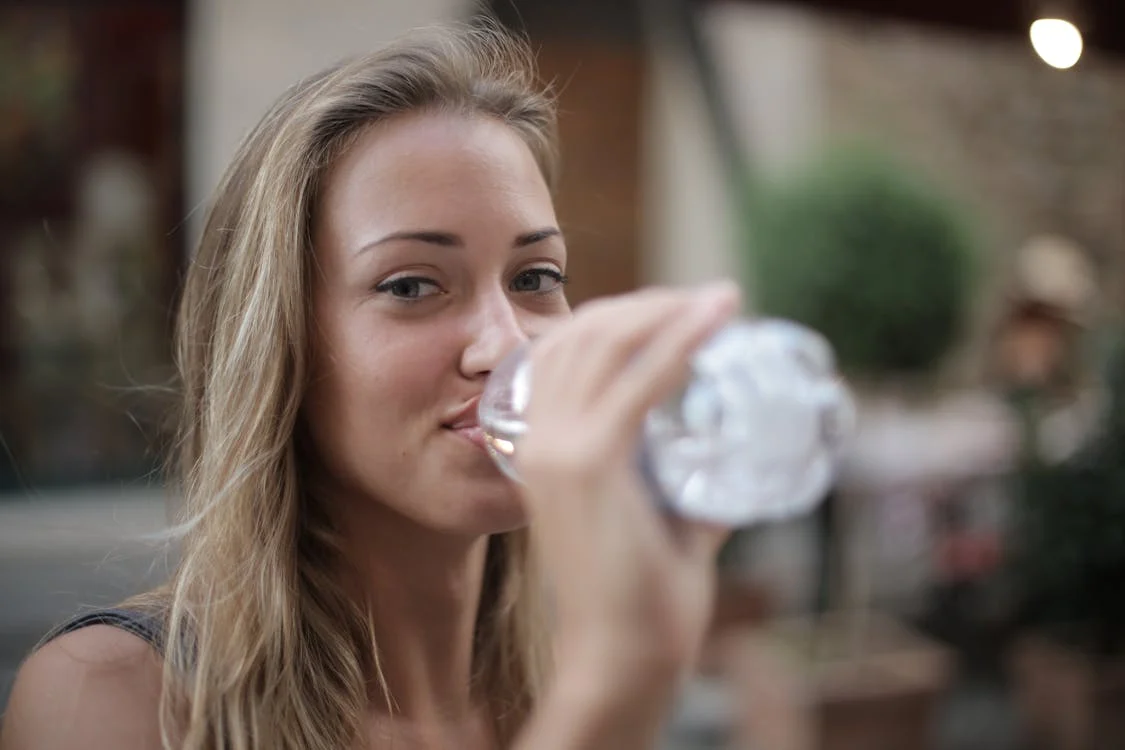
The Role of Hydration in Physical Performance: Why Water is Key to Fitness Success
When it comes to physical performance, many people focus on their training routines, diet, or sleep patterns, but one often-overlooked aspect of fitness is hydration. Staying properly hydrated is essential for maintaining not just your health, but also for achieving peak performance in any physical activity. Whether you’re running, lifting weights, or practicing yoga, water plays a critical role in keeping your body functioning at its best.
In this article, we’ll explore why hydration matters, how dehydration can affect your performance, and practical tips to ensure you stay hydrated during exercise.
Why Hydration Matters
Water is essential for virtually every function of the body. It acts as a building block for cells, regulates body temperature, removes waste, and aids in digestion. But in the context of physical performance, the role of hydration goes far beyond these basic functions.
Here’s why staying hydrated is crucial for exercise and fitness:
Maintaining Energy Levels: Water helps to transport nutrients to your cells, particularly carbohydrates that fuel your muscles during exercise. Without enough water, these nutrients can’t be delivered efficiently, leading to early fatigue.
Temperature Regulation: During exercise, your body produces heat, which raises your core temperature. Water, in the form of sweat, helps cool your body down, preventing overheating. Without proper hydration, your body struggles to control its temperature, leading to heat exhaustion or even heatstroke.
Joint Lubrication and Muscle Function: Water helps to keep your joints lubricated, reducing the risk of injury during exercise. It also helps to transport electrolytes, which are necessary for muscle contraction. Without enough water, your muscles may cramp, tighten, or lose strength.
Cognitive Function and Focus: Dehydration can affect your mental clarity and focus, which are critical during sports, weightlifting, or any activity that requires coordination and concentration.
How Dehydration Impacts Performance
Even mild dehydration—when you lose just 2% of your body’s water content—can significantly impair physical performance. Here are some of the ways dehydration can impact your body during exercise:
1. Reduced Endurance
Dehydration reduces blood volume, which means your heart has to work harder to pump oxygen and nutrients to your muscles. As a result, your endurance drops, and fatigue sets in much faster. Studies have shown that endurance athletes, in particular, are highly susceptible to dehydration, which can reduce their performance by up to 30%.
2. Impaired Strength
Water helps to maintain electrolyte balance, which is critical for muscle contractions. When you’re dehydrated, your muscles don’t get the electrolytes they need to contract properly. This leads to diminished strength and can also result in painful muscle cramps.
3. Slowed Reaction Time
Whether you’re sprinting or playing a sport that requires quick decisions, hydration is vital for maintaining mental focus and physical coordination. Dehydration slows your reaction times, making it harder to stay alert and react appropriately, especially in high-intensity or competitive environments.
4. Increased Risk of Injury
As your body becomes dehydrated, your muscles and joints lose their flexibility. This stiffness, combined with the potential for cramping, significantly increases your risk of injury, particularly sprains and muscle tears. Hydration keeps your muscles pliable and your joints cushioned, allowing for smoother, safer movement.
5. Overheating
Without enough water, your body cannot regulate its temperature properly. As your body heats up during exercise, dehydration limits your ability to sweat, increasing your core temperature. In extreme cases, this can lead to heat exhaustion or heatstroke—both of which are dangerous and potentially life-threatening.
How Much Water Do You Need?
Your hydration needs depend on a variety of factors, including your body weight, the intensity of your workout, and environmental conditions like heat and humidity. However, a general guideline for staying hydrated during exercise is as follows:
Before exercise: Drink about 500 ml (17–20 oz) of water two to three hours before you start exercising. This gives your body time to absorb the fluids and prepare for activity.
During exercise: Aim to drink about 120–240 ml (4–8 oz) every 15–20 minutes of exercise, especially if you’re working out in hot conditions or doing intense activities. If you’re exercising for more than an hour, consider a sports drink that contains electrolytes to replace those lost through sweat.
After exercise: Drink at least 500 ml (17–20 oz) of water within 30 minutes of finishing your workout, and continue to rehydrate based on how much fluid you lost. A good rule of thumb is to drink 1.5 litres of water for every kilogram of body weight lost during exercise.
Signs You Might Be Dehydrated
It’s important to recognise the signs of dehydration early, so you can take action before it starts affecting your performance. Common signs include:
- Thirst: By the time you feel thirsty, you’re already slightly dehydrated.
- Dry mouth or lips: This is one of the first physical symptoms of dehydration.
- Dark yellow urine: Your urine should be pale yellow. Darker urine is a sign that your body needs more water.
- Fatigue or dizziness: Feeling unusually tired, lightheaded, or dizzy during or after exercise could indicate dehydration.
- Headaches: Dehydration is a common cause of exercise-induced headaches.
- Muscle cramps: If your muscles begin to cramp or spasm, this is a strong indicator of dehydration, particularly when it’s hot outside.
The Role of Electrolytes in Hydration
While water is essential, it’s not the only thing your body needs for optimal hydration—electrolytes are also critical. Electrolytes are minerals (such as sodium, potassium, and magnesium) that help regulate fluid balance, muscle contractions, and nerve function.
When you sweat, you lose not just water but also electrolytes. If these aren’t replaced, it can lead to muscle cramps, fatigue, and even heart palpitations. For workouts lasting less than an hour, plain water is usually enough to keep you hydrated. But for longer or more intense sessions, particularly in hot environments, a sports drink with electrolytes can help you stay balanced.
Practical Hydration Tips for Optimal Performance
Here are a few simple yet effective tips to help you stay hydrated and maintain peak performance during your workouts:
Start Hydrated: Don’t wait until you’re already sweating to think about hydration. Make sure you start your workout fully hydrated by drinking plenty of water throughout the day, especially in the hours leading up to exercise.
Hydrate Before You’re Thirsty: Thirst is a late indicator of dehydration. Sip water consistently throughout your workout to avoid hitting the point of dehydration.
Monitor Your Sweat Loss: For longer or intense workouts, weigh yourself before and after exercise. For every kilogram of body weight lost, drink 1.5 litres of water to rehydrate.
Choose Electrolytes for Long Sessions: If you’re exercising for more than 60 minutes, especially in hot or humid conditions, consider using a sports drink that contains electrolytes to replace those lost in sweat.
Eat Hydrating Foods: Don’t forget that food can also contribute to your hydration. Fruits and vegetables like watermelon, cucumber, and oranges are packed with water and can help you stay hydrated.
Invest in a Reusable Water Bottle: Keep a water bottle with you at all times, especially when you’re exercising. If you have a visual reminder to drink, you’re more likely to stay hydrated.
Conclusion
Hydration is a key factor in physical performance, yet it’s often overlooked. Water plays an essential role in regulating your body temperature, keeping your muscles and joints functioning smoothly, and ensuring that your brain and muscles are properly fuelled. By paying attention to your hydration before, during, and after exercise, you can improve endurance, strength, and focus, while also reducing your risk of injury.
Whether you’re hitting the gym, running a marathon, or simply walking the dog, make sure hydration is part of your fitness strategy—because when it comes to physical performance, water really is your best friend.
Remember: your body thrives on water. Stay hydrated, perform better, and keep pushing your limits in every workout.