 Mind
Mind
- Digital and Modern Well-being
- Mental Health and Emotional Well-being
- Mind-Body Connection and Holistic Health
- Parenting and Family
- Personal Growth and Development
- Relationships and Social Well-being
- Stress and Relaxation
- Therapeutic and Creative Practices
- Trauma and Recovery
- Work, Productivity, and Discipline
 Body
Body
 Fitness
 Food
Food
 Beauty

Anatomy of the Human Body
The Anatomy of the Human Body: A Comprehensive Overview
The human body is a marvel of biological engineering, made up of complex systems and structures that work in harmony to sustain life. From the intricate network of nerves that transmit signals throughout the body to the skeletal framework that supports our structure, every part of the body plays a crucial role in maintaining health and function. This article provides a comprehensive overview of the key systems and components that make up the human anatomy.
1. Skeletal System: The Framework of the Body
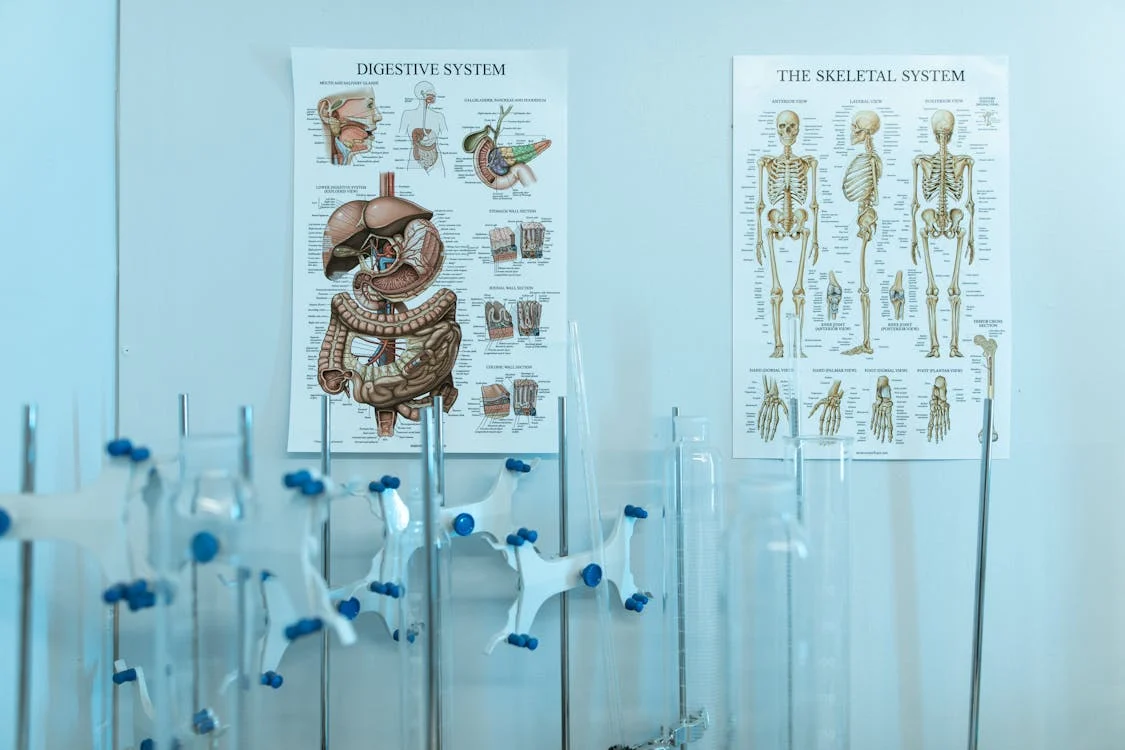
The skeletal system provides the structural framework for the body, consisting of 206 bones in adults. These bones serve multiple functions, including protecting vital organs, facilitating movement, and producing blood cells in the bone marrow.
- Main Functions: Support, protection, movement, blood cell production, and calcium storage.
- Major Components:
- Skull: Protects the brain and supports facial structures.
- Spine (Vertebral Column): Composed of 33 vertebrae, it houses the spinal cord and provides flexibility and support.
- Ribcage: Protects the heart and lungs.
- Limbs: The arms and legs allow for movement, with joints like the elbows, knees, and shoulders providing flexibility.
2. Muscular System: Movement and Strength
The muscular system consists of over 600 muscles that control movement, maintain posture, and generate heat through contractions. Muscles are divided into three main types:
-
Skeletal Muscles: These muscles are attached to bones and are responsible for voluntary movements, such as walking or lifting.
-
Smooth Muscles: Found in the walls of internal organs like the intestines and blood vessels, smooth muscles control involuntary actions such as digestion and circulation.
-
Cardiac Muscle: This muscle is unique to the heart and is responsible for pumping blood throughout the body.
-
Main Functions: Movement, posture, heat production, and circulation.
3. Nervous System: The Body’s Control Centre
The nervous system is a highly complex network responsible for transmitting signals between different parts of the body. It consists of two main parts:
-
Central Nervous System (CNS): Composed of the brain and spinal cord, the CNS processes information and coordinates activities.
-
Peripheral Nervous System (PNS): This includes the nerves that extend from the spinal cord and brain to the rest of the body, controlling voluntary and involuntary actions.
-
Main Functions: Sensory perception, motor function, cognition, and homeostasis.
4. Cardiovascular System: The Circulatory Network
The cardiovascular system, also known as the circulatory system, is responsible for transporting blood, nutrients, oxygen, and waste products to and from the cells of the body. The heart is at the centre of this system, working as a pump to circulate blood through a vast network of blood vessels.
-
Main Components:
- Heart: A muscular organ that pumps blood.
- Arteries: Carry oxygen-rich blood from the heart to the body.
- Veins: Return oxygen-depleted blood back to the heart.
- Capillaries: Tiny blood vessels where nutrient and gas exchange occurs.
-
Main Functions: Transportation of oxygen, nutrients, and waste, temperature regulation, and immune response support.
5. Respiratory System: The Breath of Life
The respiratory system is responsible for taking in oxygen and expelling carbon dioxide. This process, known as gas exchange, occurs in the lungs and is essential for cellular respiration, which provides energy to the body’s cells.
-
Main Components:
- Nose and Nasal Cavity: Filter, warm, and humidify the air we breathe.
- Trachea and Bronchi: Air passages that lead to the lungs.
- Lungs: Contain alveoli, small air sacs where oxygen and carbon dioxide exchange occurs.
- Diaphragm: A muscle that helps expand the lungs during breathing.
-
Main Functions: Oxygen intake, carbon dioxide removal, and maintaining acid-base balance in the blood.
6. Digestive System: Fuel for the Body
The digestive system is responsible for breaking down the food we eat into nutrients, which the body uses for energy, growth, and repair. The system also plays a key role in eliminating waste.
-
Main Components:
- Mouth: Where digestion begins with chewing and saliva.
- Esophagus: A tube that transports food from the mouth to the stomach.
- Stomach: Breaks down food with acid and enzymes.
- Small Intestine: Absorbs nutrients into the bloodstream.
- Large Intestine: Absorbs water and forms waste.
- Liver, Gallbladder, Pancreas: Produce bile and enzymes to aid in digestion.
-
Main Functions: Nutrient absorption, waste elimination, and maintaining fluid balance.
7. Endocrine System: Hormonal Control
The endocrine system consists of glands that produce hormones, which regulate various functions in the body, such as metabolism, growth, reproduction, and mood. Hormones are released into the bloodstream and act as chemical messengers.
-
Main Glands:
- Pituitary Gland: Often called the “master gland,” it controls other endocrine glands.
- Thyroid Gland: Regulates metabolism and energy levels.
- Adrenal Glands: Produce hormones that help manage stress and control blood pressure.
- Pancreas: Regulates blood sugar levels through insulin and glucagon.
- Reproductive Glands (Ovaries and Testes): Produce sex hormones that regulate reproductive functions.
-
Main Functions: Hormonal balance, metabolism regulation, growth and development, and mood control.
8. Immune System: The Body’s Defense Mechanism
The immune system is a complex network of cells, tissues, and organs that work together to protect the body from harmful pathogens, such as bacteria, viruses, and toxins. It identifies and destroys foreign invaders to maintain health and prevent infections.
-
Main Components:
- White Blood Cells: The body’s primary defense cells.
- Lymph Nodes: Filter harmful substances and produce immune cells.
- Spleen: Filters blood and helps fight infections.
- Bone Marrow: Produces blood cells, including immune cells.
-
Main Functions: Fighting infections, producing antibodies, and maintaining overall immunity.
9. Urinary System: Waste Elimination and Fluid Balance
The urinary system is responsible for removing waste products from the body and maintaining the balance of water and electrolytes. This system filters blood and removes toxins through urine.
-
Main Components:
- Kidneys: Filter blood and produce urine.
- Ureters: Tubes that carry urine from the kidneys to the bladder.
- Bladder: Stores urine until it is excreted.
- Urethra: The tube through which urine is expelled from the body.
-
Main Functions: Waste removal, fluid balance, electrolyte regulation, and blood pressure control.
10. Reproductive System: Continuation of Life
The reproductive system enables the production of offspring and the continuation of the species. It involves the production of gametes (sperm in males and eggs in females) and the development of offspring.
-
Main Components:
- Male: Testes, penis, prostate gland, and associated ducts.
- Female: Ovaries, fallopian tubes, uterus, and vagina.
-
Main Functions: Reproduction, hormone production, and development of sexual characteristics.
Conclusion
The human body is a complex and finely tuned organism, with each system intricately linked to the others. Understanding the anatomy of the human body is key to appreciating how our bodies function and the importance of maintaining health across these systems. By exploring the skeletal, muscular, nervous, cardiovascular, respiratory, digestive, endocrine, immune, urinary, and reproductive systems, we gain a deeper insight into the extraordinary capabilities of the human body.